

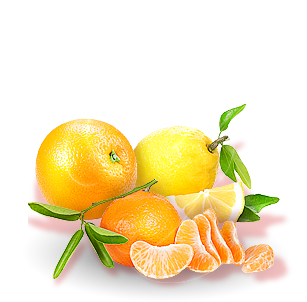
Mandarins, oranges, lemons, grapefruits.
Citrus fruits are vitamin and mineral bomb. They contain a lot of vitamin C and flavonoids, which protect vitamin C by inhibiting its oxidation and increase its effectiveness. Citrus fruits are very juicy, contain a lot of water, which increases the feeling of fullness. Biologically active substances contained in citrus fruits help our organism to get rid of toxins and harmful metabolic products.
Citrus fruit are usually offered in 10-15 kg cartons or wooden packaging. Packaging weight of Spanish citrus fruits is not legalized, that is why the whole pallet must be weighted to determine the weight of the delivery. Commercial networks are looking for loose produce or packed in 1-3 kg raschel net bags or girsack packing. The open market is searching for fruit arranged in packaging in such a way to provide the best presentation of produce.
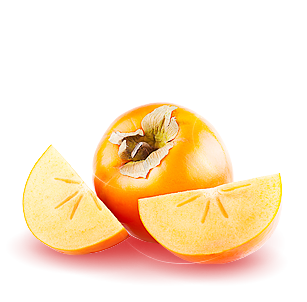
Persimmon
Persimmon fruits look like tomatoes. They are yellow and red or orange with four, dark green wide leaves. Their flesh is a bit hard, not very aromatic, very sweet and gelatinous. Skin is smooth and thin, just like the skin of a tomato. Persimmon tastes like melon or apricot. Some customers say it tastes like pear, plum, pumpkin or even peach with a slight vanilla flavouring.
– certain percentage of skin defects are allowed, provided these do not affect the general appearance of produce.
Persimmon fruits are delivered most frequently layered in cartons or wooden boxes, and weight about 10 kg. Persimmon weight is not legalized, that is why the whole pallet must be weighted in order to determine the weight of the delivery. Desired are 12 to 22 fruits in one layer.


